The Essential Guide to Cat Health Insurance: Protecting Your Feline Friend
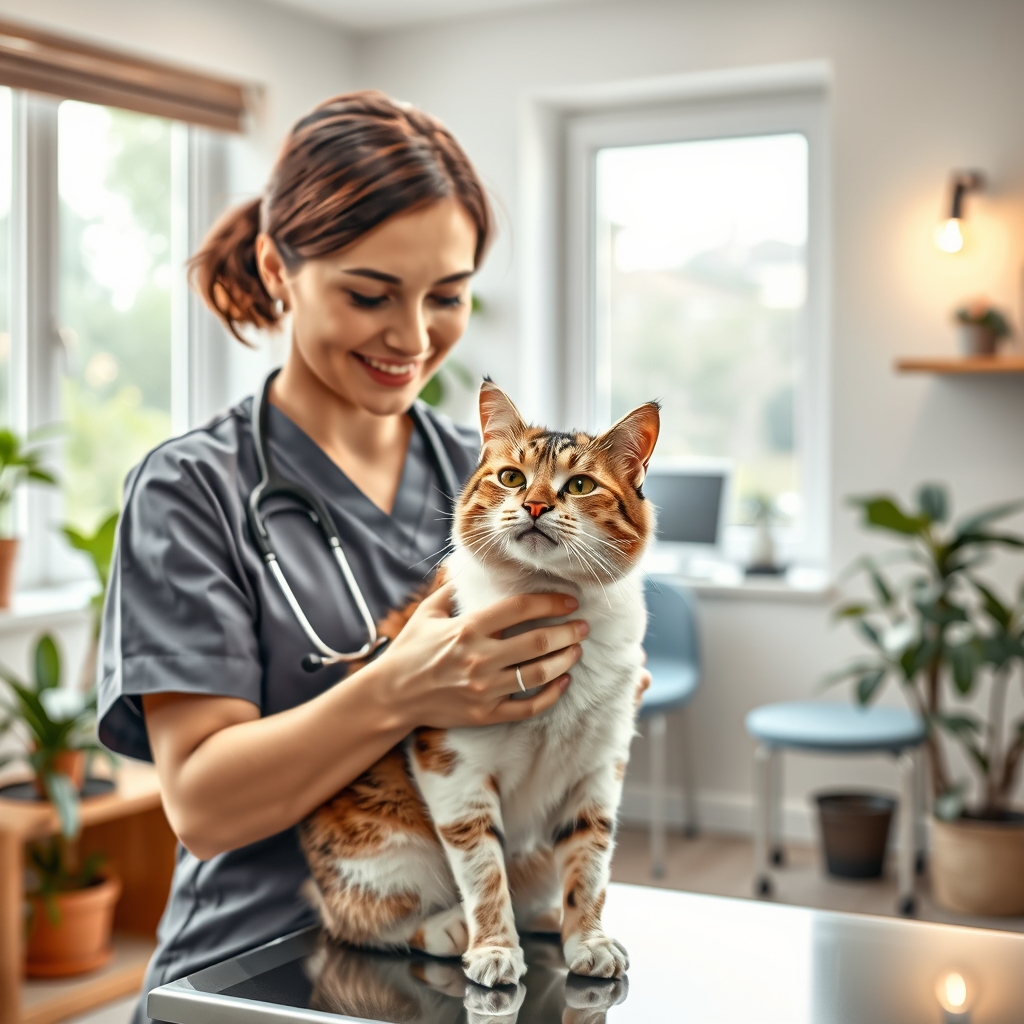
In the realm of pet ownership, ensuring the health and well-being of our feline companions is paramount. One often overlooked aspect of cat care is the role of health insurance. While it may seem like an additional expense, cat health insurance can provide a safety net that protects both your cat’s health and your financial stability.
Understanding Cat Health Insurance
Cat health insurance is designed to cover a portion of your cat’s veterinary expenses. This can include routine checkups, vaccinations, emergency care, and even specialized treatments. The specifics of what is covered can vary widely between different insurance providers, so it’s crucial to read the fine print and understand the terms of your policy.
Types of Cat Health Insurance
There are generally three types of cat health insurance plans: accident-only, accident and illness, and wellness plans. Accident-only plans cover injuries resulting from accidents, such as broken bones or poisoning. Accident and illness plans cover both accidents and illnesses, including chronic conditions like diabetes or kidney disease. Wellness plans focus on preventive care, covering routine checkups, vaccinations, and dental cleanings.
Benefits of Cat Health Insurance
The primary benefit of cat health insurance is financial peace of mind. Veterinary care can be expensive, and unexpected illnesses or injuries can lead to significant medical bills. Having insurance can help mitigate these costs, ensuring that your cat receives the care they need without breaking the bank.
Another benefit is the ability to provide comprehensive care. With insurance, you may be more likely to opt for advanced treatments or specialized care that you might otherwise avoid due to cost. This can lead to better health outcomes for your cat.
Choosing the Right Policy
When selecting a cat health insurance policy, it’s important to consider several factors. First, assess your cat’s health needs. If your cat has pre-existing conditions, you may need a policy that covers chronic illnesses. Second, consider your budget. Premiums can vary widely, so find a plan that fits within your financial means. Finally, look at the coverage details. Ensure that the policy covers the types of care your cat is likely to need.
It’s also a good idea to compare different providers. Read reviews, check ratings, and ask for recommendations from other cat owners. Some providers may offer additional perks, such as discounts on preventive care or access to a network of veterinarians.
Common Misconceptions
There are several misconceptions about cat health insurance that can deter pet owners from considering it. One common myth is that insurance is too expensive. While premiums can add up, the cost of veterinary care without insurance can be much higher. Another misconception is that insurance is only for older cats. In reality, enrolling your cat in insurance at a young age can be beneficial, as it can cover potential health issues that arise later in life.
Additionally, some people believe that insurance won’t cover pre-existing conditions. While it’s true that most policies won’t cover conditions that existed before enrollment, some providers offer plans that cover chronic illnesses, provided they are diagnosed after the policy starts.
Conclusion
Cat health insurance is a valuable tool for ensuring the well-being of your feline friend. By providing financial protection and access to comprehensive care, it can help you navigate the complexities of veterinary medicine with confidence. Whether you have a young kitten or a senior cat, considering health insurance can be a wise investment in your cat’s long-term health and happiness.