
The Purr-fect Guide to Feline Separation Anxiety: Creating a Happy Home for Your Cat
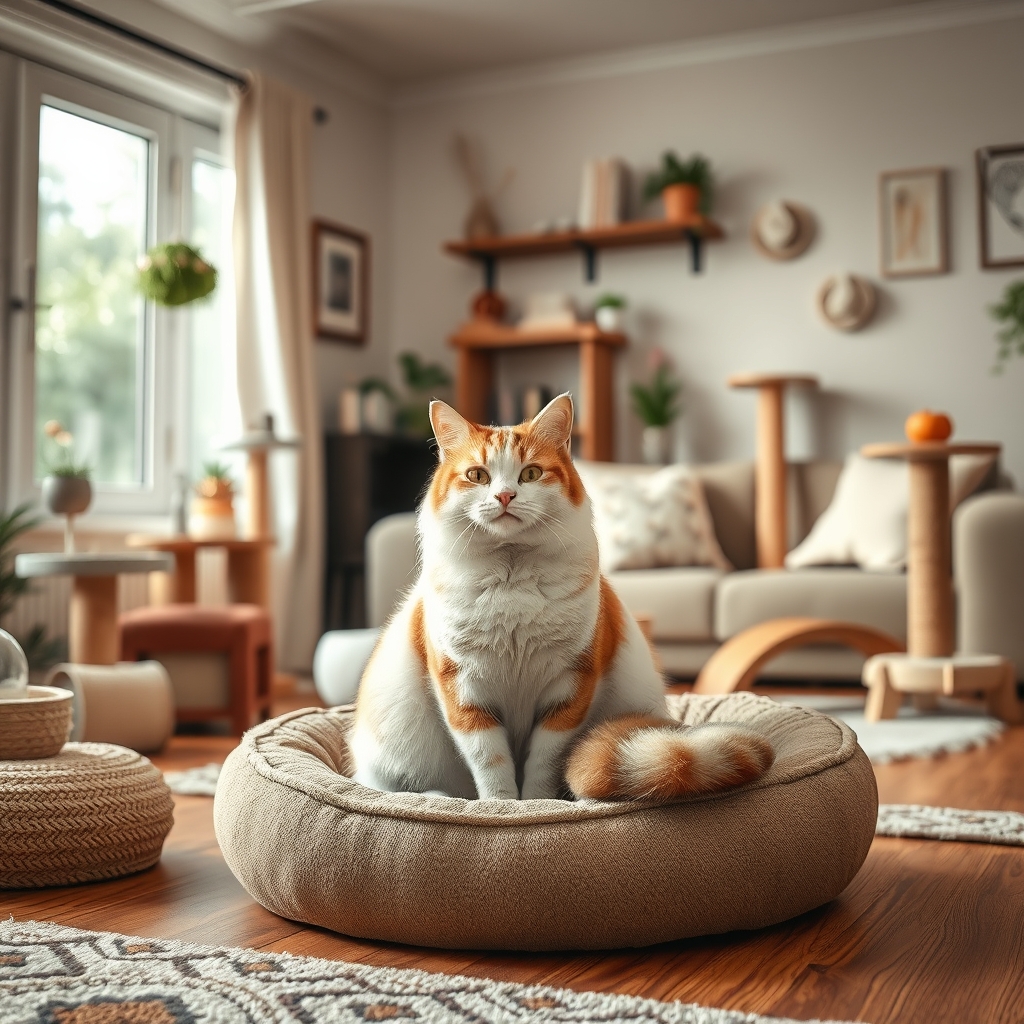
Cats are known for their independent nature, but this doesn’t mean they can’t experience separation anxiety. Just like humans, our feline friends can feel stressed and anxious when left alone for extended periods. As responsible cat owners, it’s our duty to ensure their well-being and happiness, even when we’re not around. In this guide, we’ll explore the signs of separation anxiety in cats, understand its causes, and provide practical tips to create a happy home for your furry friend.
Signs of Separation Anxiety in Cats
Recognizing the signs of separation anxiety is the first step in addressing the issue. Cats with separation anxiety may exhibit various behaviors, both physical and emotional. Some common signs include:
- Excessive vocalization: Loud meowing, yowling, or even screaming when left alone.
- Destructive behavior: Chewing on furniture, scratching walls, or knocking over objects.
- Hiding: Seeking out hidden spots or under furniture when you’re not around.
- Loss of appetite: Refusing to eat or drinking excessive amounts of water.
- Grooming issues: Over-grooming, especially around the face and ears.
- Restlessness: Constant pacing, circling, or other signs of anxiety.
Understanding the Causes of Separation Anxiety in Cats
Separation anxiety in cats can be caused by various factors, including:
- Lack of mental and physical stimulation: Cats need regular playtime and interactive toys to keep their minds and bodies active.
- Routine changes: Cats thrive on routine, and any changes in their daily schedule can cause anxiety.
- Lack of companionship: Cats are social animals and can suffer from separation anxiety when left alone for extended periods.
- Previous negative experiences: Traumatic events, such as being abandoned or experiencing a sudden change in their environment, can lead to separation anxiety.
Creating a Happy Home for Your Cat
Provide Mental and Physical Stimulation
To keep your cat happy and healthy, make sure to provide plenty of mental and physical stimulation. Interactive cat toys, such as laser pointers, wand toys, and puzzle feeders, can help keep your cat engaged and active. Additionally, consider setting up a cat tree or a cat playground to encourage climbing and exploring.
Maintain a Consistent Routine
Cats are creatures of habit, and maintaining a consistent routine can help reduce separation anxiety. Feed your cat at the same times each day, take them for regular walks (if they’re an indoor cat), and provide them with plenty of playtime. Consistency can help your cat feel more secure and less anxious when you’re not around.
Create a Safe Space
Designate a cozy and comfortable space for your cat, such as a cat bed or a quiet corner in the house. Make sure this space is well-ventilated, clean, and free from any potential hazards. You can also use calming treats or diffusers with soothing scents, such as lavender or chamomile, to create a relaxing atmosphere.
Consider a Companion
If possible, consider adopting a second cat to keep your feline friend company. Cats are social animals and can benefit greatly from having a friend to keep them company. However, if adopting a second cat isn’t an option, you can consider using automated cat feeders or interactive toys to provide some level of companionship.
Gradual Desensitization
If your cat is already experiencing separation anxiety, gradual desensitization can be an effective treatment. Start by leaving your cat alone for short periods, gradually increasing the duration as they become more comfortable. You can also use positive reinforcement, such as treats or praise, to reward your cat for staying calm and relaxed.
In conclusion, separation anxiety in cats is a common issue that can be addressed with the right approach. By understanding the signs, causes, and practical tips provided in this guide, you can create a happy and healthy home for your feline friend. Remember, every cat is unique, so it’s essential to pay attention to your cat’s individual needs and adjust your approach accordingly. With patience, love, and dedication, you can help your cat overcome separation anxiety and enjoy a fulfilling life by your side.