
First Aid for Felines: A Lifesaving Guide to Handling Cat Emergencies at Home
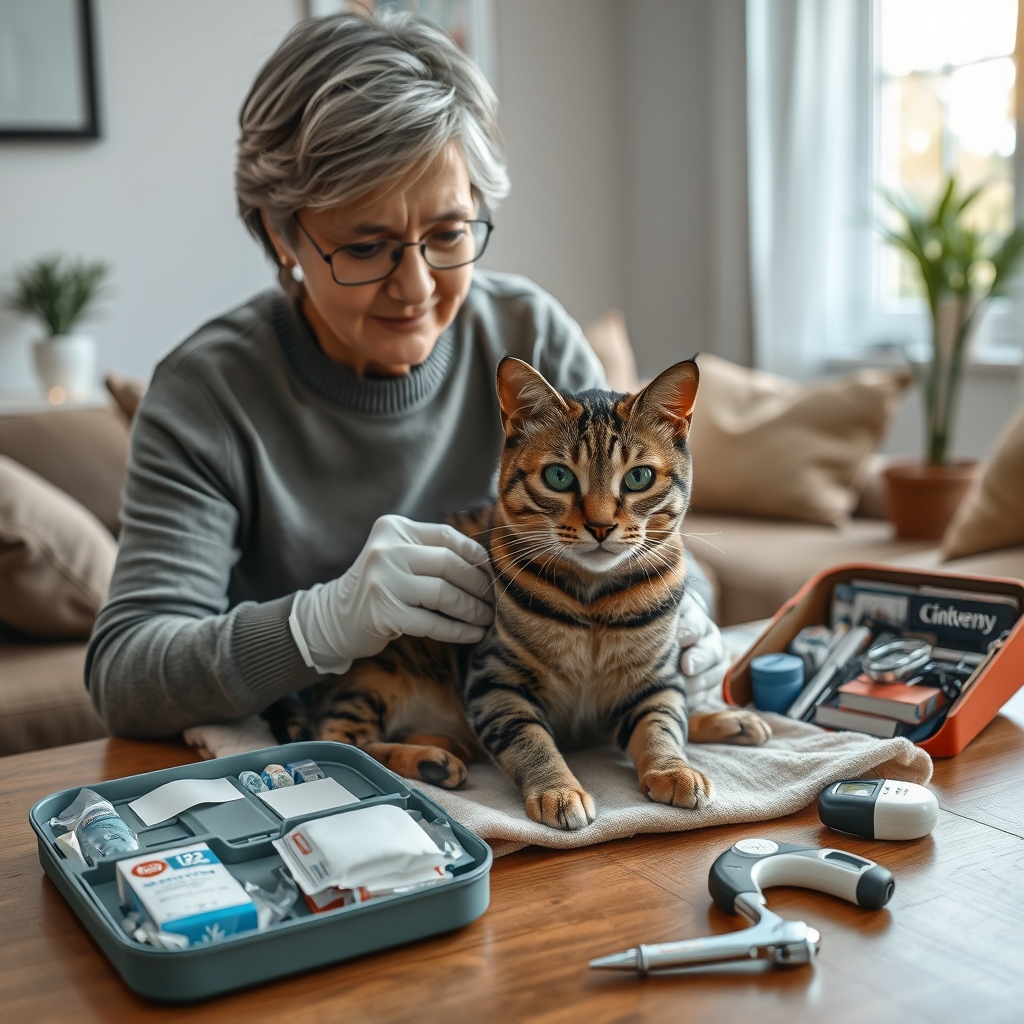
When it comes to our feline companions, emergencies can strike without warning. Whether it’s a sudden injury, poisoning, or an unexpected illness, knowing how to administer first aid can make all the difference between life and death. While professional veterinary care is always the ultimate goal, the steps you take in those critical first moments can stabilize your cat and buy precious time. This guide will walk you through essential first aid techniques every cat owner should know, from assessing injuries to handling common emergencies with confidence.
Recognizing an Emergency: When to Act Fast
Cats are masters at hiding pain, which means by the time symptoms become obvious, the situation may already be serious. Some red flags that demand immediate attention include:
- Difficulty breathing or rapid, shallow breaths
- Uncontrollable bleeding or deep wounds
- Seizures, collapse, or sudden paralysis
- Ingestion of toxic substances (e.g., lilies, chocolate, human medications)
- Severe vomiting or diarrhea, especially if blood is present
- Inability to urinate or defecate, or straining without results
- Extreme lethargy or unresponsiveness
If you notice any of these signs, stay calm but act quickly. Your cat’s life may depend on your ability to respond effectively.
Building a Cat First Aid Kit: Essentials for Every Home
Just as you’d keep a first aid kit for humans, having one tailored to your cat’s needs is non-negotiable. Here’s what to include:
- Gauze pads and rolls: For controlling bleeding or wrapping wounds.
- Non-stick bandages: To protect injuries without sticking to fur.
- Adhesive tape (hypoallergenic): For securing bandages.
- Digital thermometer: A cat’s normal temperature ranges between 100.5°F and 102.5°F (38.1°C to 39.2°C).
- Saline solution: For flushing wounds or eyes.
- Tweezers: To remove splinters, ticks, or debris.
- Scissors (with rounded tips): For cutting bandages or fur around wounds.
- Disposable gloves: To protect both you and your cat from contamination.
- Pet-safe antiseptic wipes: For cleaning minor cuts or abrasions.
- Hydrogen peroxide (3%): Only to be used under veterinary guidance to induce vomiting in case of poisoning.
- Muzzle or soft cloth: Even the gentlest cat may bite when in pain. A makeshift muzzle can prevent injuries to you.
- Emergency contact list: Include your vet’s number, the nearest 24-hour emergency clinic, and the ASPCA Animal Poison Control Center (888-426-4435).
How to Handle Common Emergencies
1. Cuts and Wounds
For minor cuts, start by gently cleaning the area with saline solution or lukewarm water. Apply light pressure with a clean gauze pad to stop any bleeding. Once the bleeding has slowed, cover the wound with a non-stick bandage and secure it with hypoallergenic tape. Avoid using human antiseptics like alcohol or hydrogen peroxide, as these can damage healthy tissue. For deep or heavily bleeding wounds, apply firm pressure and seek veterinary care immediately.
2. Poisoning
If you suspect your cat has ingested something toxic, do not wait for symptoms to appear. Common household hazards include lilies (highly toxic to cats), human medications (e.g., acetaminophen, ibuprofen), chocolate, onions, garlic, and certain essential oils. If the ingestion occurred within the last two hours, your vet may instruct you to induce vomiting using hydrogen peroxide (1 teaspoon per 5 pounds of body weight, never exceeding 3 teaspoons). However, never induce vomiting without professional guidance, as some substances can cause more damage coming back up. Instead, collect a sample of the ingested material (or its packaging) and contact your vet or poison control immediately.
3. Choking
If your cat is pawing at their mouth, gagging, or struggling to breathe, they may be choking. Open their mouth carefully and look for any visible obstructions. If you can see the object, try to gently remove it with tweezers or your fingers, but be cautious—cats can bite reflexively when distressed. If the object is lodged too deeply, perform the Heimlich maneuver for cats: place your cat on their side, place your hands just below their rib cage, and apply firm, quick upward thrusts. If the object doesn’t dislodge, rush to the nearest emergency clinic.
4. Burns
For thermal burns (e.g., from hot surfaces or liquids), cool the area immediately with running lukewarm water for 5-10 minutes. Do not use ice, as this can cause further damage. For chemical burns, flush the area with water for at least 15 minutes to remove any residue. Cover the burn with a clean, damp cloth and seek veterinary care. Never apply butter, oil, or ointments to burns, as these can trap heat and worsen the injury.
5. Seizures
Seizures in cats can be terrifying to witness, but it’s crucial to stay calm. Clear the area of any objects that could harm your cat, and avoid placing your hands near their mouth—they won’t swallow their tongue, but they may bite unintentionally. Time the seizure: if it lasts longer than 2-3 minutes, your cat is at risk of overheating. Once the seizure subsides, keep your cat in a quiet, dimly lit space and contact your vet. Seizures can be caused by toxins, epilepsy, or underlying health conditions, so professional evaluation is essential.
6. Heatstroke
Cats are less prone to heatstroke than dogs, but it can still occur, especially in breeds with flat faces (e.g., Persians) or in hot, humid conditions. Signs include excessive panting, drooling, bright red gums, lethargy, and collapse. If you suspect heatstroke, move your cat to a cool area immediately and wet their paws, ears, and fur with lukewarm (not cold) water. Offer small amounts of water to drink, but don’t force them. Use a fan to help lower their body temperature and seek veterinary care as soon as possible. Heatstroke can cause organ damage or death if left untreated.
Transporting an Injured Cat
Moving an injured cat can be challenging, especially if they’re in pain or frightened. The key is to minimize stress and prevent further injury. Here’s how:
- Use a carrier: If your cat is small enough, place them in a secure carrier lined with a soft towel or blanket. If you don’t have a carrier, a sturdy box with air holes will work in a pinch.
- Wrap them gently: For larger cats or those who resist confinement, wrap them snugly in a towel or blanket (a technique known as the “burrito method”). This keeps them secure and prevents them from scratching or thrashing.
- Support their body: If your cat has a suspected spinal injury, place them on a flat, rigid surface (e.g., a wooden board or baking tray) to prevent further damage.
- Keep them warm: Injured cats can become hypothermic, so cover them with a light blanket during transport.
- Drive carefully: Avoid sudden stops or sharp turns, and keep the car quiet to reduce stress.
When in Doubt, Call the Vet
While first aid can stabilize your cat in an emergency, it’s not a substitute for professional veterinary care. Always follow up with your vet, even if your cat seems to have recovered. Some injuries or illnesses may not show symptoms immediately, and early intervention can prevent complications. Keep your vet’s number saved in your phone, along with the address and phone number of the nearest 24-hour emergency clinic. In an emergency, every second counts, and being prepared can make all the difference.
Owning a cat is a rewarding experience, but it also comes with the responsibility of being their advocate in times of crisis. By familiarizing yourself with these first aid techniques and keeping a well-stocked kit on hand, you’ll be ready to act swiftly and confidently when your feline friend needs you most. The bond between a cat and their human is built on trust, and there’s no greater way to honor that trust than by being prepared to protect them, no matter what life throws your way.