
Mindful Meows: How Cat Behavioral Therapy Can Transform Your Feline’s Life
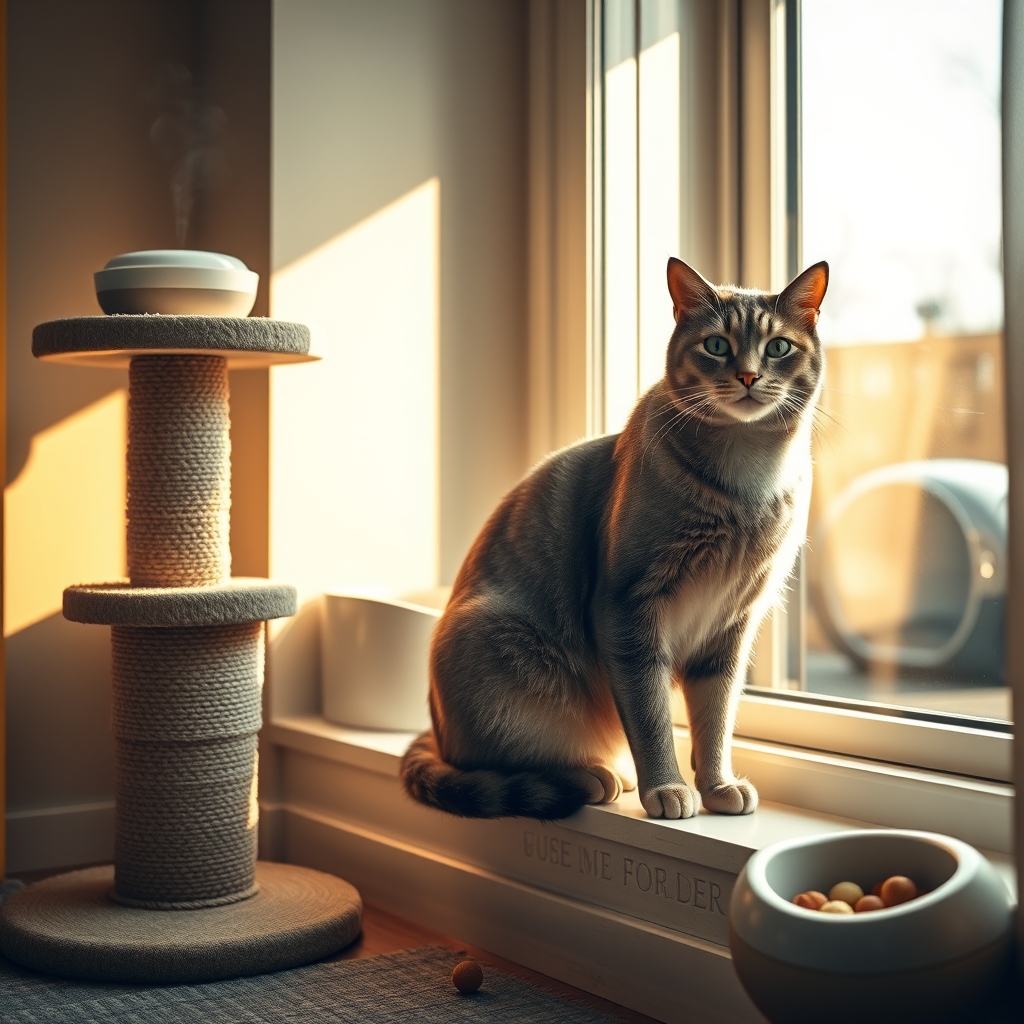
Cats are often seen as independent, self-sufficient creatures, but beneath their aloof exterior lies a complex emotional world. Just like humans, cats can experience stress, anxiety, and even behavioral issues that affect their quality of life. Whether it’s excessive scratching, aggression, or litter box avoidance, these behaviors can strain the bond between you and your feline companion. The good news? Cat behavioral therapy offers a compassionate and effective way to address these challenges, helping your cat lead a happier, more balanced life.
The Science Behind Feline Behavior
Understanding why cats behave the way they do is the first step in addressing unwanted habits. Cats are creatures of habit, and their actions are often driven by instinct, past experiences, or environmental factors. For example, a cat that scratches furniture isn’t being destructive out of spite—it’s likely marking territory or stretching its muscles. Similarly, a cat that avoids the litter box might be reacting to stress, a medical issue, or dissatisfaction with the litter type.
Behavioral therapy for cats is rooted in the principles of animal psychology. It focuses on identifying the triggers behind problematic behaviors and implementing strategies to modify them. Unlike punishment-based approaches, which can exacerbate stress and fear, behavioral therapy emphasizes positive reinforcement, environmental enrichment, and gradual desensitization. This approach not only addresses the symptoms but also tackles the root causes of the behavior.
Common Behavioral Issues and Their Solutions
Aggression: More Than Just a Bad Mood
Aggression in cats can manifest in various ways, from hissing and swatting to full-blown attacks. It’s often a response to fear, territorial disputes, or redirected frustration. For instance, a cat that lashes out when petted might be overstimulated or in pain. To address aggression, start by identifying the triggers. Is it a specific person, another pet, or a particular situation? Once you’ve pinpointed the cause, you can work on desensitizing your cat through controlled exposure and positive reinforcement. For example, if your cat dislikes being touched on its belly, reward it with treats when it remains calm during gentle belly rubs.
Litter Box Avoidance: A Cry for Help
One of the most frustrating issues for cat owners is litter box avoidance. Cats may refuse to use their litter box due to medical problems like urinary tract infections, dissatisfaction with the litter type, or stress. Start by ruling out any health issues with a visit to the vet. If your cat gets a clean bill of health, experiment with different litter types—some cats prefer fine, unscented litter, while others favor larger granules. Additionally, ensure the litter box is in a quiet, accessible location and is cleaned regularly. If stress is the culprit, consider using pheromone diffusers or providing a safe, secluded space for your cat to retreat.
Excessive Scratching: Channeling Natural Instincts
Scratching is a natural behavior for cats—it helps them stretch, mark territory, and maintain their claws. However, when your cat starts targeting your favorite couch, it’s time to intervene. The solution lies in providing appropriate outlets for this behavior. Invest in a high-quality cat scratching post and place it near the furniture your cat is scratching. Encourage your cat to use the post by rubbing it with catnip or dangling a toy nearby. If your cat continues to scratch furniture, consider using double-sided tape or aluminum foil as a deterrent—cats dislike the texture and will avoid it.
The Role of Environmental Enrichment
A stimulating environment is key to preventing and managing behavioral issues. Indoor cats, in particular, can become bored or anxious without adequate mental and physical stimulation. Indoor cat enrichment doesn’t have to be complicated—simple additions like puzzle feeders, interactive toys, and climbing structures can make a world of difference. Rotate toys regularly to keep your cat engaged, and set aside time each day for interactive play. Even a cardboard box or a paper bag can provide hours of entertainment for a curious cat.
For cats with anxiety, consider creating a “safe space” where they can retreat when overwhelmed. This could be a cozy bed in a quiet corner, a covered cat tree, or even a closet with soft blankets. Pheromone diffusers, like Feliway, can also help reduce stress by mimicking the calming pheromones cats produce naturally.
When to Seek Professional Help
While many behavioral issues can be managed at home, some cases require the expertise of a professional. If your cat’s behavior is causing significant distress—for example, if it’s refusing to eat, hiding constantly, or exhibiting extreme aggression—it’s time to consult a veterinary behaviorist. These specialists are trained to diagnose and treat complex behavioral problems using a combination of medical and psychological approaches. They can also rule out underlying health issues that might be contributing to the behavior.
In some cases, medication may be recommended to help manage anxiety or aggression. While this is typically a last resort, it can be a game-changer for cats with severe behavioral issues. Always work closely with your vet or a behaviorist to ensure the treatment plan is tailored to your cat’s specific needs.
Building a Stronger Bond Through Understanding
Behavioral therapy isn’t just about correcting unwanted habits—it’s about deepening the bond between you and your cat. By taking the time to understand your cat’s needs and emotions, you’re showing them that they can trust and rely on you. This trust forms the foundation of a strong, loving relationship, where your cat feels safe, secure, and understood.
Start small by observing your cat’s body language and responding to their cues. Does your cat purr when you pet them in a certain spot? Do they flatten their ears when they’re annoyed? These subtle signals are your cat’s way of communicating with you. The more attuned you are to their needs, the better equipped you’ll be to address any behavioral challenges that arise. Over time, you’ll find that your cat becomes more relaxed, confident, and affectionate—proof that a little patience and understanding can go a long way.
Every cat is unique, and what works for one may not work for another. The key is to approach behavioral therapy with an open mind and a willingness to adapt. Whether it’s through environmental enrichment, positive reinforcement, or professional intervention, the goal is the same: to help your cat live their best life. When you prioritize their emotional well-being, you’re not just addressing behavioral issues—you’re nurturing a happier, healthier feline companion who will reward you with years of love and companionship.