
The Silent Struggle: Understanding and Easing Feline Separation Anxiety with Compassionate Care
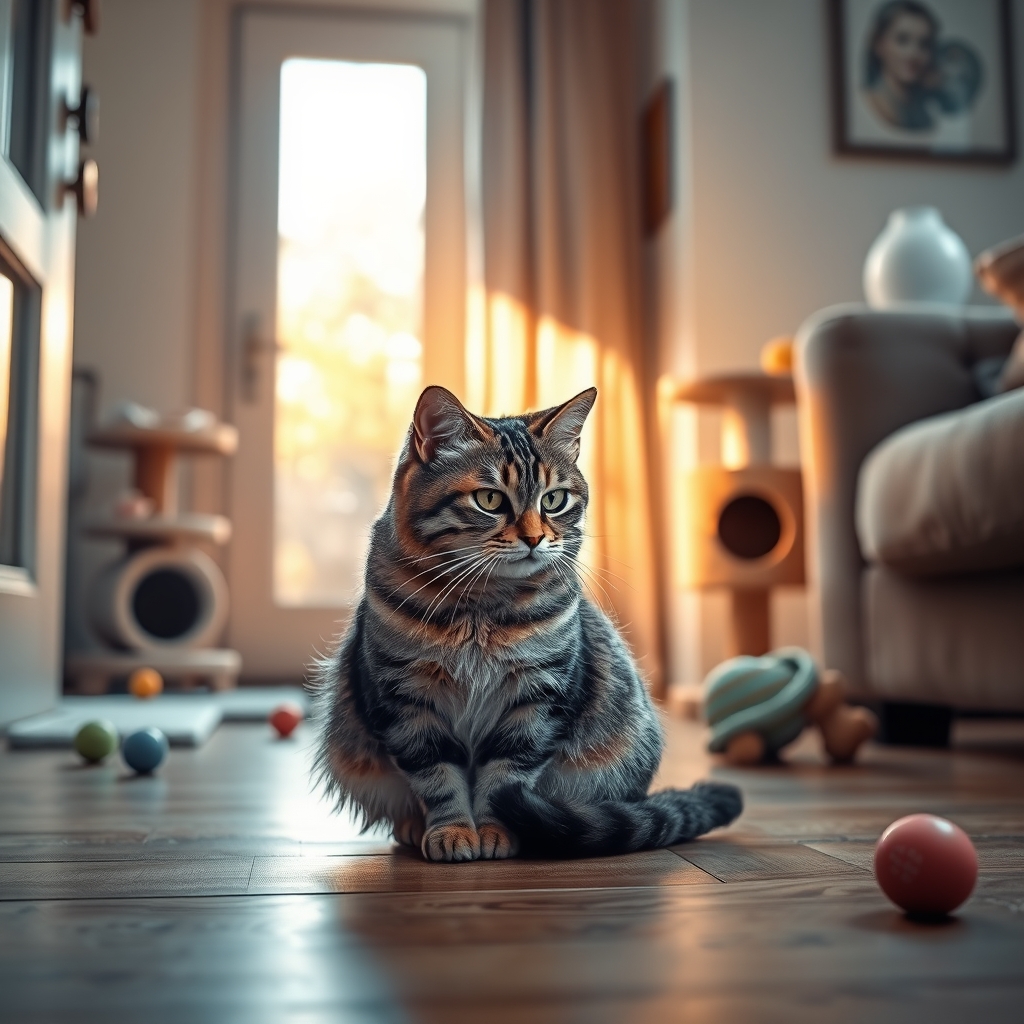
Cats are often seen as independent creatures, content to nap in sunbeams and explore their surroundings at their own pace. However, beneath their aloof exterior, many felines experience a deep emotional bond with their humans—one that can lead to distress when left alone. Feline separation anxiety is a real and often overlooked issue that affects countless cats, manifesting in behaviors that range from subtle to disruptive. Understanding the signs, root causes, and solutions can help you create a more secure and comforting environment for your beloved pet.
Recognizing the Signs of Separation Anxiety in Cats
Unlike dogs, who may bark or destroy furniture when anxious, cats often express their distress in quieter, more subtle ways. Some common signs of separation anxiety in felines include:
- Excessive Vocalization: Meowing, yowling, or crying persistently when left alone, often louder or more frequent than usual.
- Inappropriate Elimination: Urinating or defecating outside the litter box, particularly on your belongings or in areas with your scent.
- Destructive Behavior: Scratching furniture, chewing on cords, or knocking over objects, especially near doors or windows.
- Overgrooming: Excessive licking or chewing of fur, leading to bald patches or irritated skin.
- Changes in Appetite: Refusing to eat when alone or, conversely, overeating upon your return.
- Clinginess or Shadowing: Following you from room to room or becoming unusually attached before you leave.
If your cat exhibits one or more of these behaviors, it’s essential to rule out medical issues first by consulting your veterinarian. Once health concerns are addressed, you can focus on behavioral strategies to ease their anxiety.
Understanding the Root Causes
Feline separation anxiety can stem from a variety of factors, and identifying the root cause is key to finding an effective solution. Some common triggers include:
Sudden Changes in Routine
Cats are creatures of habit, and abrupt changes—such as a new work schedule, moving to a new home, or the absence of a family member—can trigger anxiety. Even small disruptions, like rearranging furniture or changing feeding times, can unsettle a sensitive cat.
Lack of Environmental Enrichment
Cats left alone for extended periods without stimulation can become bored and anxious. A lack of interactive toys, scratching posts, or climbing structures can exacerbate feelings of isolation and restlessness.
Past Trauma or Abandonment
Cats with a history of neglect, abandonment, or multiple rehoming may be more prone to separation anxiety. Their fear of being left behind can resurface, leading to clingy or destructive behavior.
Overattachment to Their Human
While it’s heartwarming to have a cat that adores you, an overly dependent bond can lead to anxiety when you’re not around. Cats that have been hand-reared or have experienced prolonged periods of human companionship may struggle more with solitude.
Compassionate Strategies to Ease Your Cat’s Anxiety
Helping a cat with separation anxiety requires patience, consistency, and a multi-faceted approach. Here are some effective strategies to create a calmer, more secure environment for your feline friend:
Create a Safe and Stimulating Environment
Enriching your cat’s surroundings can distract them from your absence and reduce anxiety. Consider the following:
- Interactive Toys: Puzzle feeders, automated toys, or treat-dispensing balls can keep your cat mentally engaged. Rotate toys regularly to maintain their interest.
- Vertical Space: Cat trees, shelves, or window perches allow your cat to climb, observe their surroundings, and feel secure. A view of the outdoors can be particularly soothing.
- Scratching Posts and Pads: These provide an outlet for natural scratching behaviors and help reduce stress.
- Calming Scents: Pheromone diffusers, like Feliway, mimic natural feline facial pheromones and can create a sense of comfort and security.
Establish a Predictable Routine
Cats thrive on consistency. Try to maintain a regular schedule for feeding, playtime, and cuddles. If your routine is changing, gradually introduce the new schedule to help your cat adjust. For example, if you’re returning to work after a period at home, start by leaving for short intervals and gradually increasing the time away.
Desensitize Departures and Arrivals
Cats are perceptive and can pick up on your pre-departure cues, such as grabbing keys or putting on shoes. To reduce anxiety, practice these cues without actually leaving. For example, pick up your keys, sit on the couch, and ignore them. Over time, your cat will become less reactive to these triggers. Similarly, keep arrivals low-key to avoid reinforcing anxious behavior.
Provide Companionship (When Possible)
If your schedule allows, consider adopting a second cat to keep your feline company. However, this should be done thoughtfully, as not all cats are suited to sharing their space. Alternatively, hiring a pet sitter or enrolling your cat in a daycare program can provide social interaction and break up long periods of solitude.
Use Calming Aids
In addition to pheromone diffusers, there are other calming aids that can help reduce anxiety:
- Calming Treats: Products containing ingredients like L-theanine, chamomile, or melatonin can promote relaxation. Always consult your vet before introducing new supplements.
- Soft Music or White Noise: Playing calming music or nature sounds can mask outside noises and create a soothing atmosphere.
- Warmth and Comfort: Heated beds or blankets can provide a sense of security, especially for cats that seek warmth when anxious.
Positive Reinforcement and Training
Reward your cat for calm behavior when you’re home. Use treats, praise, or gentle petting to reinforce independence. For example, if your cat is quietly playing alone, reward them with a treat. Avoid punishing anxious behaviors, as this can increase stress and worsen the problem.
Consult a Professional
If your cat’s anxiety is severe or persistent, consult a veterinarian or a certified animal behaviorist. They can provide tailored advice, recommend medication if necessary, and rule out underlying health issues. In some cases, anti-anxiety medications or supplements may be prescribed to help your cat cope.
Helping a cat with separation anxiety is a journey that requires empathy, creativity, and a willingness to adapt. By understanding their needs and providing a nurturing environment, you can help your feline friend feel more secure and content, even when you’re not by their side. Every small step you take—whether it’s introducing a new toy, adjusting your routine, or simply spending quality time together—contributes to their emotional well-being. In the end, the bond you share with your cat is built on trust, and with patience and care, you can strengthen that bond in ways that last a lifetime.