From Playtime to Peace: Indoor Cat Enrichment Strategies for a Happier, Healthier Feline
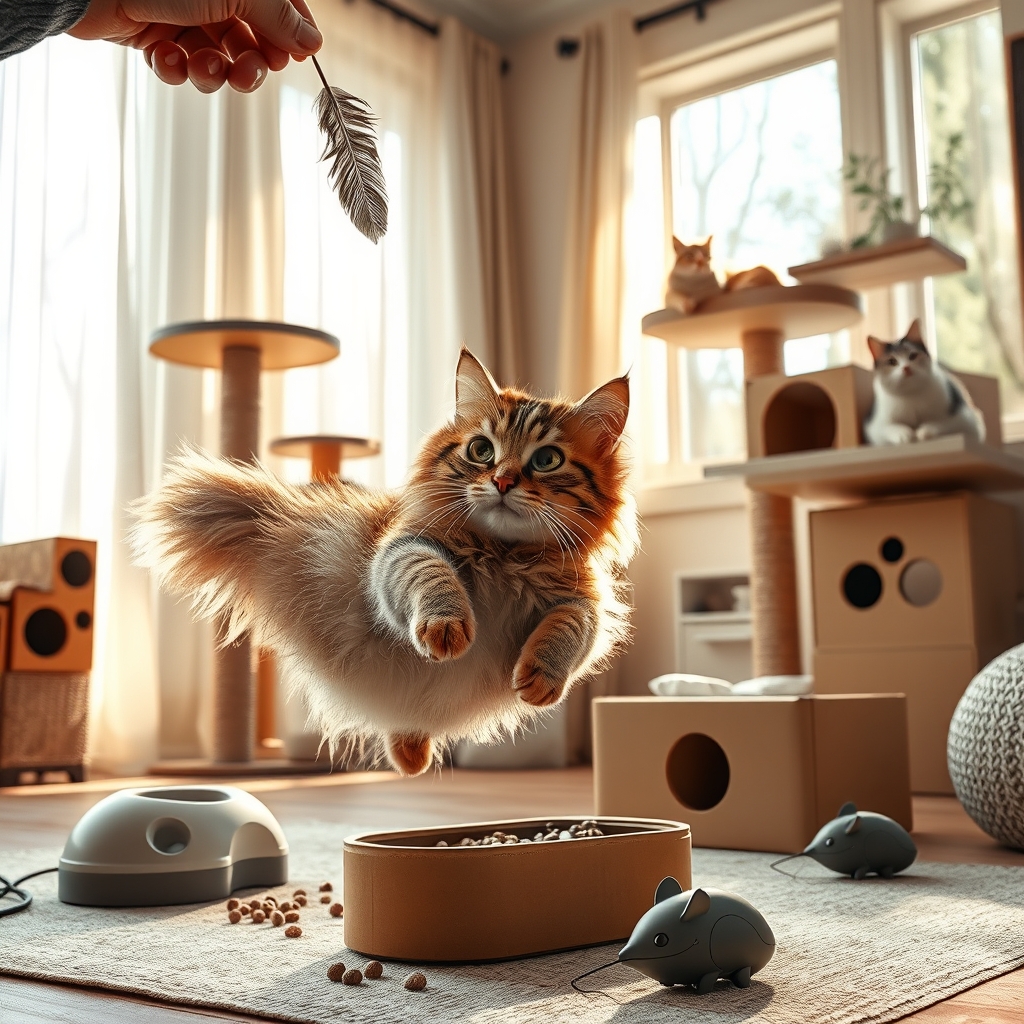
Cats are natural hunters, climbers, and explorers, but when confined indoors, their instincts can become stifled, leading to boredom, stress, and even behavioral issues. Indoor cat enrichment isn’t just about keeping your feline entertained—it’s about nurturing their physical health, mental sharpness, and emotional well-being. A well-stimulated cat is less likely to develop anxiety, obesity, or destructive habits, making enrichment a cornerstone of responsible pet ownership.
The Science Behind Feline Enrichment
Studies in feline behavior reveal that cats thrive in environments that mimic their natural habitats. In the wild, they spend hours stalking prey, climbing trees, and marking territory. Indoor cats, however, often lack these opportunities, which can lead to frustration. Enrichment activities help bridge this gap by engaging their senses—sight, sound, touch, and even smell—while encouraging physical activity and problem-solving skills.
Research from veterinary behaviorists suggests that cats with access to enrichment tools exhibit fewer signs of stress, such as excessive grooming or aggression. They also tend to maintain a healthier weight and show improved cognitive function, particularly in senior cats. The key is variety; rotating toys, introducing new challenges, and creating dynamic spaces can prevent habituation and keep your cat engaged.
DIY Enrichment Ideas for Budget-Conscious Owners
You don’t need to break the bank to create a stimulating environment for your cat. Many enrichment solutions can be crafted from household items or inexpensive materials. For example, a simple cardboard box with holes cut into it can become a puzzle feeder, encouraging your cat to bat at treats or kibble until they fall out. Similarly, crumpled paper balls or toilet paper rolls stuffed with catnip can provide hours of entertainment.
Another cost-effective idea is to repurpose old furniture into climbing structures. A bookshelf with staggered shelves or a sturdy ladder can double as a cat tree, giving your feline friend vertical space to explore. Even a windowsill perch—made from a cushioned shelf or a sturdy box—can transform into a prime spot for bird-watching, satisfying their predatory instincts in a safe, indoor setting.
Interactive Toys: More Than Just Playthings
Interactive toys are a game-changer for indoor cats, as they simulate the thrill of the hunt. Wand toys with feathers or strings mimic the movement of prey, triggering your cat’s chase response. Laser pointers, while controversial due to the lack of a tangible reward, can be used sparingly to encourage exercise—just be sure to end the session with a physical toy your cat can “catch” to avoid frustration.
For tech-savvy pet owners, automated toys like robotic mice or motion-activated balls can keep cats engaged even when you’re not home. These gadgets move unpredictably, tapping into your cat’s natural curiosity. However, it’s important to supervise playtime with electronic toys to ensure safety, especially with cats prone to chewing wires.
Creating a Multi-Sensory Environment
Enrichment isn’t limited to physical activity; it should also engage your cat’s senses. Scent plays a crucial role in feline communication, so introducing new smells can pique their interest. Catnip, silver vine, or valerian root are popular choices, but even herbs like basil or mint can provide a novel sensory experience. Rotate these scents periodically to keep things fresh.
Sound enrichment can also be beneficial. Some cats enjoy the rustling of paper or the crinkle of foil, while others respond to nature sounds, like chirping birds or rustling leaves. There are even playlists designed specifically for cats, featuring frequencies that appeal to their auditory range. Visual stimulation, such as fish tanks (with secure lids) or videos of birds and squirrels, can also captivate your cat’s attention.
The Role of Social Enrichment
While cats are often seen as solitary creatures, many enjoy social interaction—whether with humans, other cats, or even dogs. If your cat is sociable, scheduling regular play sessions or cuddle time can strengthen your bond and reduce feelings of loneliness. For multi-cat households, providing separate resources (like food bowls, litter boxes, and resting spots) can prevent competition and stress.
If you’re away for long hours, consider adopting a second cat to keep your feline company. However, introductions should be gradual and supervised to ensure compatibility. Alternatively, hiring a pet sitter or using interactive cameras with treat dispensers can help maintain your cat’s social needs in your absence.
Enrichment for Senior Cats and Special Needs Felines
Older cats or those with mobility issues may not be as active, but they still benefit from enrichment tailored to their abilities. Low-impact activities, such as gentle wand play or puzzle feeders with larger openings, can keep them mentally sharp without causing strain. Heated beds or orthopedic mats can provide comfort, while ramps or steps can help arthritic cats access their favorite perches.
For cats with disabilities, such as blindness or deafness, enrichment should focus on their remaining senses. Textured mats, scented toys, or toys that make noise (like crinkly balls) can provide stimulation. Always consult your veterinarian to ensure any enrichment activities are safe and appropriate for your cat’s specific health needs.
Indoor cat enrichment is an ongoing process, not a one-time setup. By observing your cat’s preferences and adapting their environment accordingly, you can create a dynamic, engaging space that nurtures their natural behaviors. Whether it’s through DIY projects, interactive toys, or sensory experiences, the effort you put into enrichment will pay off in a happier, healthier feline companion. The joy of watching your cat pounce, explore, and thrive in their indoor kingdom is a reward in itself, proving that even the smallest changes can make a world of difference in their quality of life.