
Cat Scratching Posts: The Ultimate Guide to Protecting Your Furniture and Enriching Your Cat’s Life
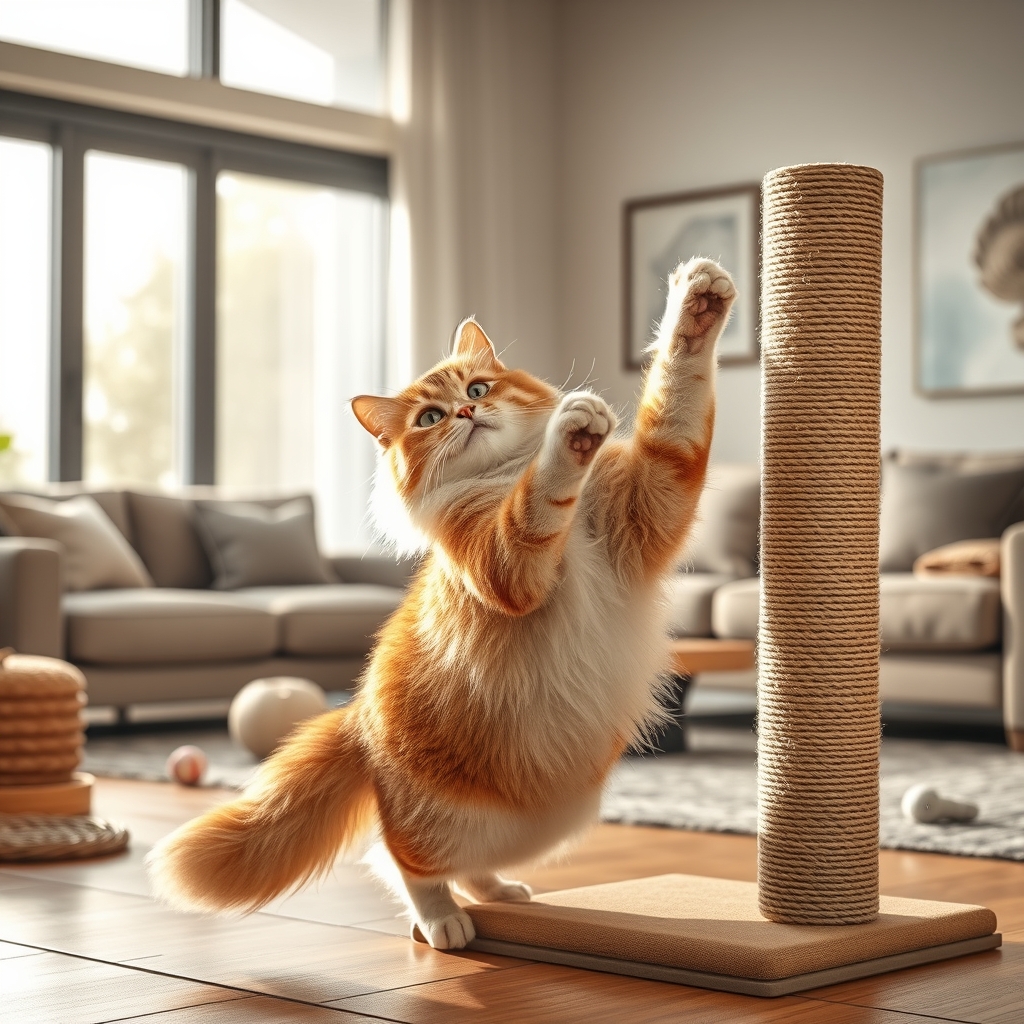
Cats have an innate need to scratch—it’s a behavior deeply rooted in their instincts. Scratching helps them stretch their muscles, mark their territory, and keep their claws healthy. However, when your favorite sofa or curtains become their preferred scratching surface, it can lead to frustration for both you and your feline friend. The solution? A well-chosen cat scratching post. But not all scratching posts are created equal, and selecting the right one can make all the difference in protecting your furniture while enriching your cat’s life.
Why Do Cats Scratch?
Before diving into the world of scratching posts, it’s essential to understand why cats scratch in the first place. Scratching serves several critical functions for cats:
- Claws Maintenance: Scratching helps remove the outer sheath of their claws, keeping them sharp and healthy.
- Territory Marking: Cats have scent glands in their paws, and scratching leaves both a visual and olfactory mark, signaling their presence to other cats.
- Stretching and Exercise: Scratching allows cats to stretch their bodies, particularly their back and shoulder muscles, which is vital for their physical well-being.
- Stress Relief: Scratching can be a way for cats to release pent-up energy or anxiety, making it an important outlet for their emotional health.
Given these benefits, it’s clear that scratching is not just a destructive habit but a necessary part of a cat’s life. The key is to redirect this behavior to an appropriate surface—like a scratching post.
Choosing the Right Scratching Post
With so many options available, selecting the perfect scratching post can feel overwhelming. Here are some factors to consider to ensure you pick one that your cat will actually use:
Material Matters
Cats have preferences when it comes to the texture of their scratching surfaces. Some common materials include:
- Sisal Fabric or Rope: Durable and rough, sisal is a favorite among many cats. It provides an excellent grip for scratching and can withstand heavy use.
- Corrugated Cardboard: Affordable and recyclable, cardboard scratching posts are lightweight and often come in fun shapes. However, they may not last as long as other materials.
- Wood: Some cats enjoy the feel of natural wood, but it’s less common and may not be as satisfying for heavy scratchers.
- Carpet: While carpeted scratching posts are soft and comfortable, they can sometimes confuse cats, as they may not distinguish between the post and your carpeted floors.
If you’re unsure which material your cat prefers, consider offering a variety of options to see what they gravitate toward.
Size and Stability
A scratching post should be tall enough for your cat to fully stretch their body while scratching. A good rule of thumb is to choose a post that is at least as tall as your cat when they stand on their hind legs. Additionally, stability is crucial—if the post wobbles or tips over, your cat is unlikely to use it. Look for a post with a wide, heavy base or one that can be securely anchored to the wall or floor.
Shape and Design
Scratching posts come in various shapes and designs, each offering different benefits:
- Vertical Posts: These are ideal for cats who love to stretch upward while scratching. They mimic the texture of tree trunks, which is a natural scratching surface for cats.
- Horizontal or Angled Posts: Some cats prefer to scratch horizontally, especially if they like to lie down while doing so. These are great for cats who scratch carpets or low furniture.
- Combination Posts: These posts offer both vertical and horizontal scratching surfaces, catering to cats with varied preferences. They often come with additional features like perches or hiding spots, making them a multifunctional piece of cat furniture.
- Wall-Mounted or Freestanding: Wall-mounted posts save floor space and can be placed at the perfect height for your cat. Freestanding posts, on the other hand, can be moved around the house to different locations.
Training Your Cat to Use a Scratching Post
Even the best scratching post won’t be effective if your cat doesn’t use it. Here are some tips to encourage your feline friend to make the switch from your furniture to their new post:
Location, Location, Location
Place the scratching post in an area where your cat already likes to scratch or spends a lot of time. If they’ve been scratching the corner of your couch, position the post right next to it. You can gradually move it to a more desirable location once they’ve started using it consistently.
Make It Irresistible
Cats are attracted to certain textures and scents. Rubbing catnip on the post or sprinkling it with a little bit of silver vine can make it more appealing. You can also use toys to entice your cat to the post—dangle a feather wand near it or attach a small toy to the top to encourage interaction.
Positive Reinforcement
Whenever you catch your cat using the scratching post, reward them with praise, pets, or a small treat. Positive reinforcement helps them associate the post with good things, making them more likely to use it in the future.
Discourage Unwanted Scratching
If your cat continues to scratch your furniture, make those surfaces less appealing. You can use double-sided tape, aluminum foil, or plastic covers to deter them. Alternatively, consider using a pet-safe deterrent spray on the areas you want to protect. Never punish your cat for scratching—this can create fear and anxiety, making the problem worse.
DIY Scratching Post Ideas
If you’re feeling crafty, you can create a custom scratching post tailored to your cat’s preferences. Here are a few simple DIY ideas:
Sisal-Wrapped Post
You’ll need a sturdy wooden post, sisal rope, and a base (like a wooden plank or a heavy cardboard box). Wrap the sisal rope tightly around the post, securing it with glue or staples at the top and bottom. Attach the post to the base, and you’ve got a simple, effective scratching post.
Cardboard Scratcher
Cut corrugated cardboard into strips and layer them in a shallow box or tray. Glue the layers together to create a thick, sturdy surface. You can also cut the cardboard into fun shapes, like a spiral or zigzag, to make it more engaging for your cat.
Upcycled Furniture
If you have an old wooden stool, table leg, or even a tree stump, you can repurpose it into a scratching post. Wrap it in sisal rope or attach a piece of carpet to create a unique and functional piece for your cat.
Maintaining Your Scratching Post
To keep your scratching post in good condition and ensure your cat continues to use it, regular maintenance is key. Here’s how to care for different types of scratching posts:
- Sisal Posts: Over time, sisal rope can fray or unravel. Trim any loose threads to keep the post looking neat, and replace the rope if it becomes too worn.
- Cardboard Posts: Cardboard scratching posts can become flattened or torn with heavy use. Flip the cardboard over or replace it when it starts to look worn out.
- Carpeted Posts: Vacuum the carpet regularly to remove fur and debris. If the carpet becomes too frayed, consider replacing the post or covering it with a new piece of carpet.
By keeping the scratching post in good condition, you’ll ensure it remains an attractive and functional option for your cat.
Investing in a high-quality scratching post is one of the best things you can do for your cat’s well-being and your home’s longevity. Whether you opt for a store-bought design or a DIY creation, the right scratching post will provide your feline friend with hours of entertainment, exercise, and stress relief. As you watch your cat happily stretch and scratch away, you’ll know you’ve made a choice that benefits both of you—keeping your furniture intact and your cat content, healthy, and engaged.