Holistic Hydration for Cats: A Complete Guide to Keeping Your Feline Friend Well-Watered and Healthy
Water is the essence of life, and for our feline companions, proper hydration is just as critical as it is for humans. Yet, many cat owners overlook this fundamental aspect of their pet’s health, often focusing more on food or treats. Ensuring your cat stays hydrated can prevent a myriad of health issues, from urinary tract infections to kidney disease. This guide will explore the importance of hydration for cats, how to recognize dehydration, and practical ways to encourage your cat to drink more water.
The Science Behind Feline Hydration
Cats are descendants of desert-dwelling animals, which means they have evolved to survive on minimal water intake. In the wild, cats derive most of their hydration from the prey they consume, which is typically composed of about 70-75% water. However, domestic cats, especially those on a dry kibble diet, often don’t consume enough water to meet their body’s needs. This can lead to chronic dehydration, putting them at risk for serious health complications.
Unlike dogs, cats have a low thirst drive, which means they don’t feel the urge to drink water as frequently as other animals. This trait, combined with their small size and efficient kidneys, makes them particularly susceptible to dehydration. A cat’s kidneys are designed to concentrate urine to conserve water, but this also means that any reduction in water intake can quickly lead to health issues like urinary crystals or kidney stones.
Signs Your Cat Might Be Dehydrated
Recognizing dehydration in cats early can make a significant difference in their health. Some common signs to watch for include:
- Dry or sticky gums: Healthy gums should be moist and slick. If your cat’s gums feel dry or tacky, it’s a sign of dehydration.
- Loss of skin elasticity: Gently pinch the skin between your cat’s shoulder blades. If it doesn’t snap back into place quickly, your cat may be dehydrated.
- Sunken eyes: Dehydrated cats may have eyes that appear sunken or dull.
- Lethargy or weakness: A lack of energy or reluctance to move can indicate dehydration, especially if accompanied by other symptoms.
- Reduced urination or dark urine: If your cat’s litter box habits change or their urine appears darker than usual, it could be a sign of dehydration.
If you notice any of these signs, it’s essential to act quickly. Offer your cat fresh water and consider adding wet food to their diet. In severe cases, consult your veterinarian immediately, as dehydration can lead to life-threatening conditions like kidney failure.
Creative Ways to Encourage Your Cat to Drink More Water
Since cats aren’t naturally inclined to drink water, you’ll need to get creative to ensure they stay hydrated. Here are some tried-and-true methods to encourage your feline friend to drink more:
Invest in a Cat Water Fountain
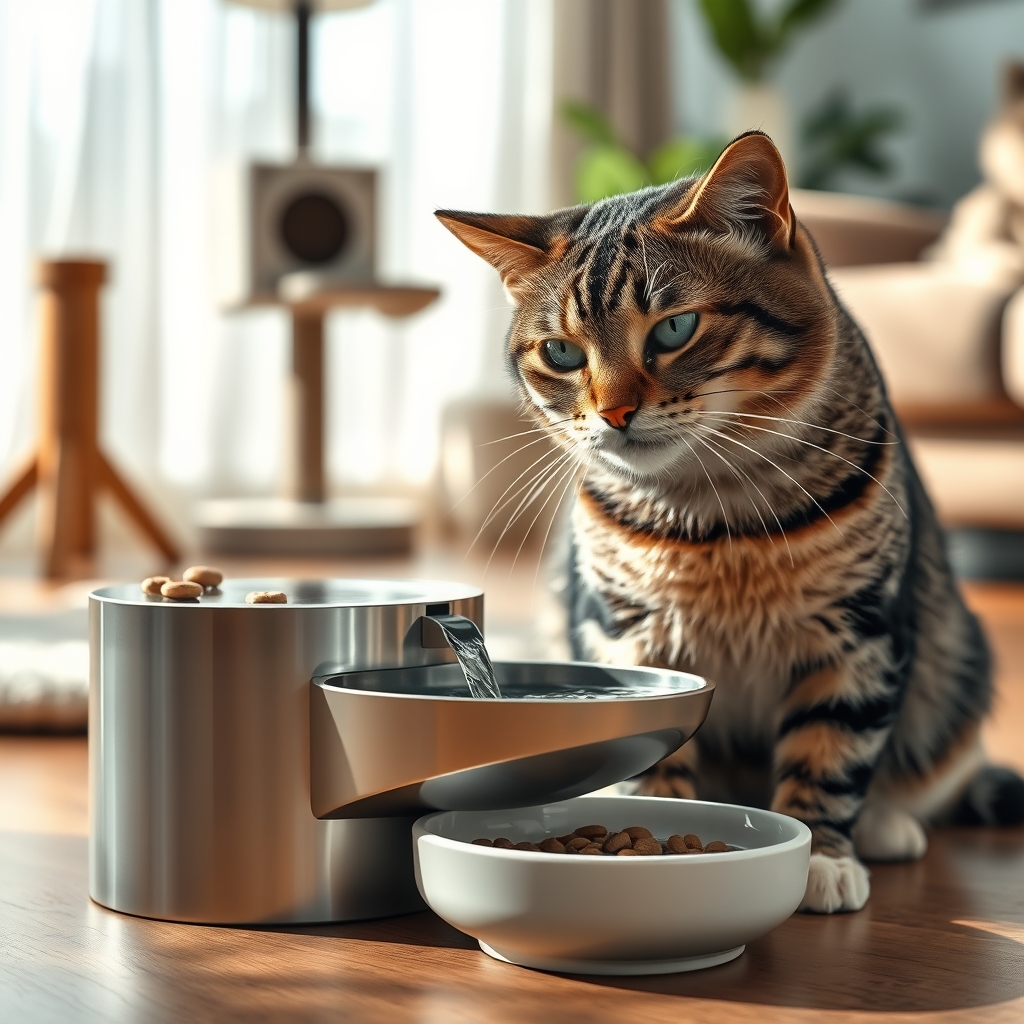
Cats are instinctively drawn to running water, as it’s fresher and safer than stagnant water in the wild. A cat water fountain mimics this natural preference, making it an excellent investment for encouraging hydration. Many fountains also come with filters to keep the water clean and free of debris, which can further entice your cat to drink.
Offer Wet Food or Hydration-Boosting Toppers
Switching to a wet food diet is one of the easiest ways to increase your cat’s water intake. Wet food typically contains 70-80% water, compared to just 10% in dry kibble. If your cat is resistant to a full switch, consider adding hydration-boosting toppers like bone broth or water to their dry food. This can help increase their overall fluid intake without a drastic diet change.
Experiment with Different Water Bowls
Believe it or not, the type of bowl you use can impact your cat’s willingness to drink. Some cats prefer wide, shallow bowls that don’t touch their whiskers, while others may prefer ceramic or stainless steel over plastic. Try offering water in different types of bowls to see which one your cat prefers. Additionally, placing multiple water bowls around your home can make it easier for your cat to stay hydrated.
Add Flavor to the Water
If your cat is particularly finicky, adding a bit of flavor to their water can make it more appealing. A small amount of tuna juice, chicken broth (unsalted), or even a splash of goat’s milk can entice your cat to drink more. Just be sure to avoid anything with added salt, sugar, or artificial ingredients, as these can be harmful to your cat’s health.
Play with Water
Some cats are fascinated by water and enjoy playing with it. Try gently dripping water from a faucet or using a shallow dish to let your cat paw at the water. This can make drinking more interactive and fun, encouraging them to consume more fluids. Just be sure to supervise your cat to prevent any accidents or spills.
Hydration and Health: The Long-Term Benefits
Proper hydration isn’t just about preventing dehydration—it’s about supporting your cat’s overall health and longevity. Adequate water intake helps maintain healthy kidney function, supports digestion, and even reduces the risk of urinary tract infections. For senior cats, staying hydrated can alleviate joint pain and improve mobility, while for kittens, it supports healthy growth and development.
In addition to physical health, hydration can also impact your cat’s behavior. Dehydrated cats may become irritable, lethargic, or even aggressive due to discomfort. By ensuring your cat has access to fresh, clean water at all times, you’re not only supporting their physical well-being but also contributing to a happier, more balanced feline companion.
Keeping your cat hydrated doesn’t have to be a challenge. With a few simple adjustments to their routine and environment, you can make a significant difference in their health and happiness. Whether it’s investing in a water fountain, offering wet food, or experimenting with different bowls, every small step counts. After all, a well-hydrated cat is a happy cat, and there’s no greater reward than seeing your feline friend thrive.