
Mastering Kitten Training: Essential Tips for a Well-Behaved Feline Companion
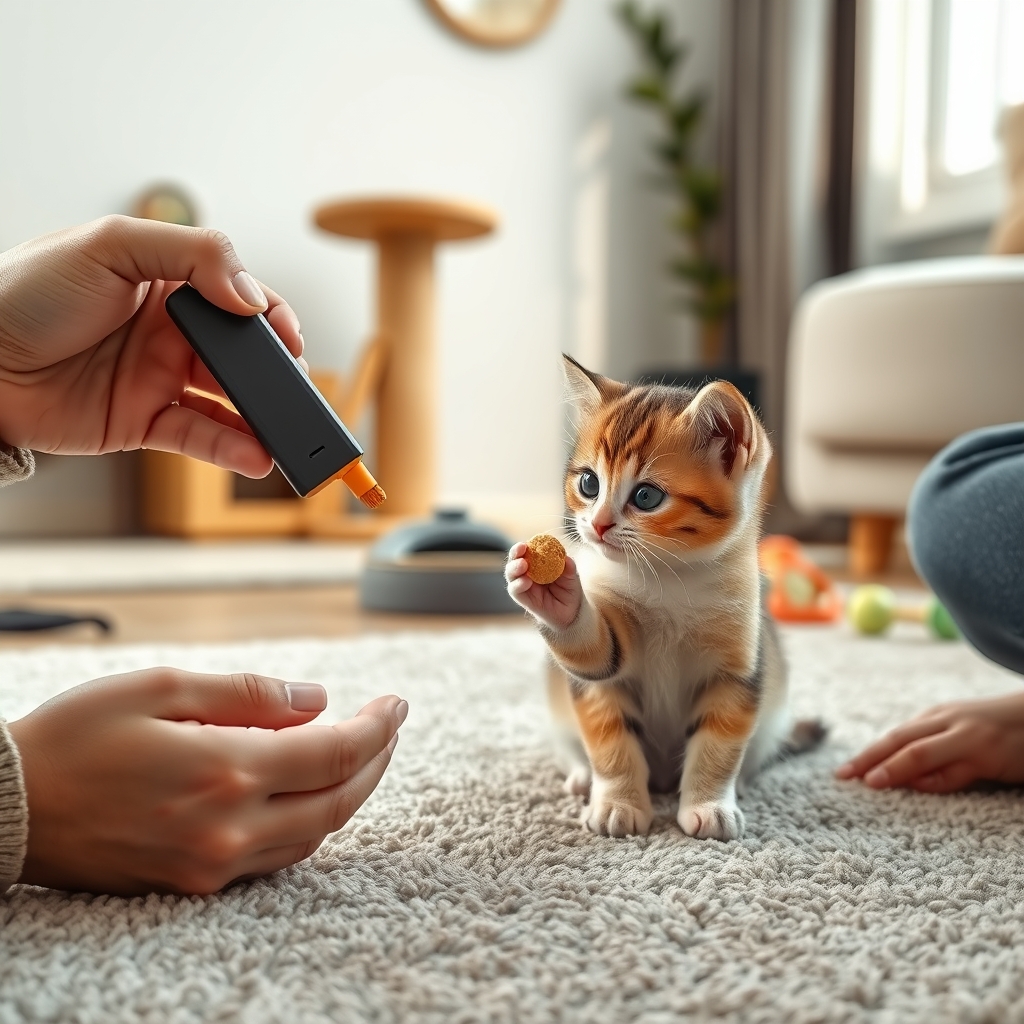
Bringing a new kitten into your home is an exciting and rewarding experience, but it also comes with the responsibility of training them to become a well-adjusted and well-behaved member of your family. While cats are often seen as independent creatures, they are highly intelligent and capable of learning behaviors that make cohabitation smoother for both of you. The key to successful kitten training lies in patience, consistency, and positive reinforcement. Whether you’re teaching them where to scratch, how to use the litter box, or even simple commands, starting early and setting clear boundaries will pay off in the long run.
The Foundations of Kitten Training
Before diving into specific training techniques, it’s important to understand the basics of how kittens learn. Unlike dogs, cats are not pack animals, so their motivation to please their humans is different. Instead, they respond best to rewards that align with their natural instincts, such as treats, playtime, or affection. Training sessions should be short—no more than 5 to 10 minutes—to match their short attention spans. Over time, these brief sessions will help your kitten associate training with positive experiences, making them more eager to participate.
Another critical aspect of training is consistency. Kittens thrive on routine, so it’s essential to use the same commands, rewards, and corrections every time. For example, if you’re teaching your kitten to sit, always use the word “sit” and reward them immediately when they comply. Inconsistency can confuse your kitten and slow down the learning process. Additionally, ensure that all members of your household are on the same page with training methods to avoid mixed signals.
Litter Box Training: Setting Your Kitten Up for Success
One of the first and most important lessons for any kitten is litter box training. Most kittens instinctively know how to use a litter box, but they may need guidance on where to find it and how to access it. Start by placing your kitten in the litter box after meals, naps, or playtime, as these are times when they’re most likely to need to go. If you notice them sniffing the ground or crouching, gently place them in the box to reinforce the behavior.
Choosing the right litter box and litter is also crucial. For kittens, a shallow box with low sides is ideal, as it allows them to climb in and out easily. As they grow, you can transition to a larger box. When it comes to litter, opt for a unscented, clumping variety, as strong scents can deter kittens. Keep the litter box in a quiet, accessible location, and avoid moving it frequently, as this can confuse your kitten. If accidents happen, never punish your kitten—instead, clean the area thoroughly with an enzymatic cleaner to remove odors that might attract them back to the same spot.
Addressing Common Litter Box Issues
Even with the best training, some kittens may develop litter box aversions. This can happen if the box is too dirty, if they associate it with a negative experience (like being startled while using it), or if they simply don’t like the type of litter. If your kitten starts avoiding the litter box, try experimenting with different litters or box styles. Some kittens prefer covered boxes for privacy, while others feel trapped in them. Regularly scoop the box at least once a day to keep it clean and inviting. If the problem persists, consult your veterinarian to rule out any underlying health issues, such as a urinary tract infection.
Teaching Boundaries: Scratching and Furniture
Scratching is a natural behavior for cats—it helps them stretch, mark their territory, and keep their claws healthy. However, it can become a problem if your kitten targets your furniture or carpets. The key to managing this behavior is to provide appropriate outlets for scratching and redirect them when they choose the wrong surfaces. Invest in a high-quality cat scratching post or pad, and place it near the areas where your kitten likes to scratch. Encourage them to use it by rubbing catnip on the post or dangling a toy near it to attract their attention.
If you catch your kitten scratching furniture, gently pick them up and place them near the scratching post. Avoid yelling or punishing them, as this can create fear and anxiety. Instead, reward them with praise or a premium cat treat when they use the post correctly. You can also make furniture less appealing by covering it with double-sided tape or aluminum foil, as most cats dislike the texture. Over time, your kitten will learn that the scratching post is the preferred option.
Introducing Commands and Tricks
While cats may not be as eager to perform tricks as dogs, they are capable of learning simple commands that can make your life easier. Start with basic commands like “sit,” “come,” or “stay.” Use a clicker or a verbal marker like “yes” to signal when your kitten has done the right thing, followed by a reward. For example, to teach “sit,” hold a treat above your kitten’s head and slowly move it back over their ears. As their head follows the treat, their bottom will naturally lower to the ground. The moment they sit, say “yes” and give them the treat.
Training your kitten to come when called is another useful skill, especially for safety reasons. Start by saying their name followed by the command “come” in a happy, encouraging tone. When they approach you, reward them with a treat or affection. Practice this in a quiet environment first, then gradually introduce distractions as they become more reliable. Remember, the goal is to make training fun and rewarding for your kitten, so keep sessions lighthearted and end on a positive note.
Managing Playtime and Biting
Kittens are naturally playful and curious, which can sometimes lead to nipping or biting during play. While this behavior is normal, it’s important to teach your kitten that biting humans is not acceptable. If your kitten bites or scratches during play, immediately stop the interaction and walk away. This teaches them that biting ends the fun. Redirect their energy toward appropriate toys, such as interactive cat toys or wand teasers, which allow them to bite and scratch without hurting you.
It’s also important to provide plenty of opportunities for physical and mental stimulation. Kittens have a lot of energy, and if they don’t have an outlet for it, they may become destructive or overly aggressive. Rotate toys regularly to keep them engaged, and set aside time each day for interactive play. Puzzle feeders or treat-dispensing toys can also help keep their minds sharp and prevent boredom.
Training a kitten is a journey that requires time, patience, and a deep understanding of their unique personality. Every kitten learns at their own pace, and what works for one may not work for another. The most important thing is to build a strong bond with your kitten through positive reinforcement and trust. As they grow, you’ll not only have a well-behaved feline companion but also a deeper connection that makes the effort worthwhile. The habits and routines you establish now will shape their behavior for years to come, so embrace the process and enjoy watching your kitten thrive in their new home.