
Feline Separation Anxiety: Understanding, Managing, and Helping Your Cat Cope
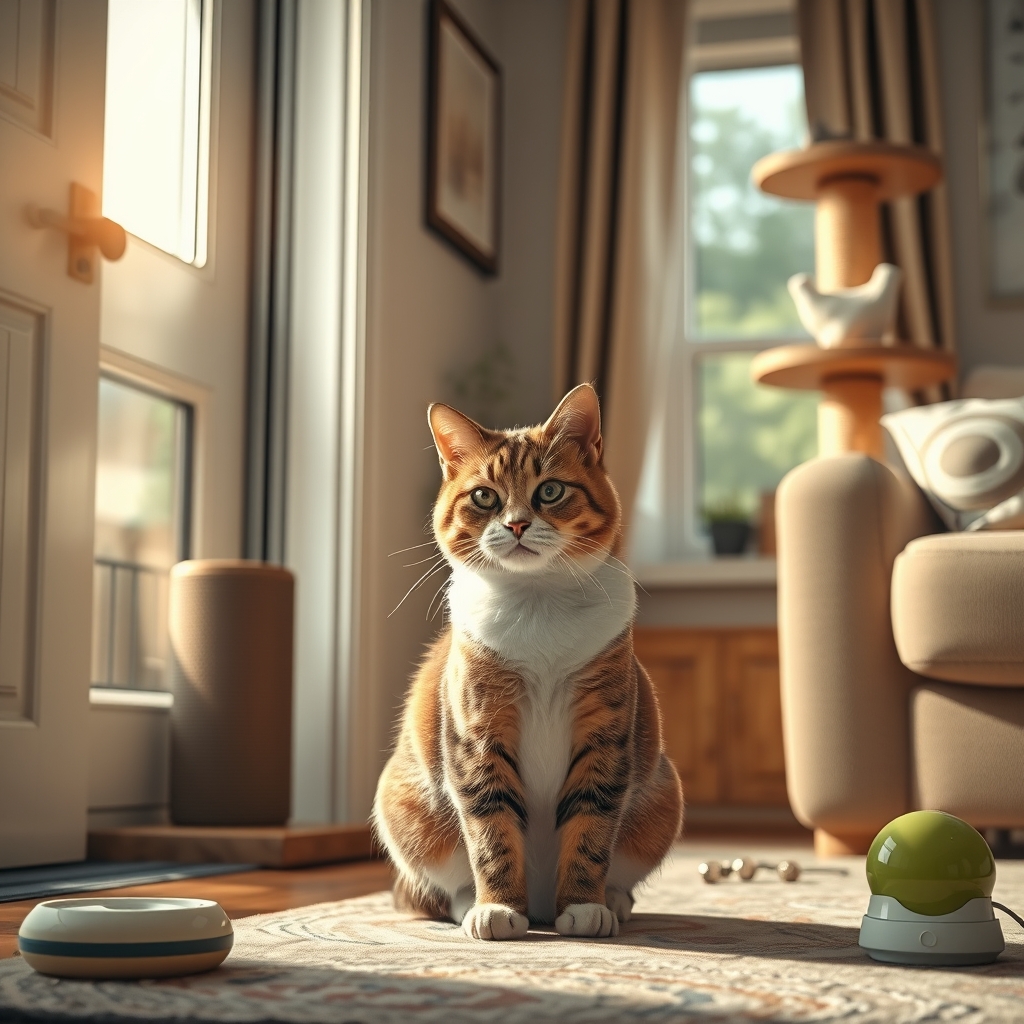
Cats are often perceived as independent creatures, content to nap in sunbeams and explore their surroundings at their own pace. However, many cat owners are surprised to learn that their feline companions can experience separation anxiety, a condition more commonly associated with dogs. Feline separation anxiety occurs when a cat becomes overly attached to their owner and exhibits distress when left alone. This can manifest in various behaviors, from excessive meowing and destructive scratching to inappropriate elimination and even self-harm. Understanding the signs, causes, and solutions for feline separation anxiety is essential for ensuring your cat’s emotional well-being.
Recognizing the Signs of Separation Anxiety in Cats
Identifying separation anxiety in cats can be challenging, as some behaviors may overlap with other issues like boredom or medical conditions. However, there are key signs to watch for, especially if they occur consistently when you’re about to leave or while you’re away. Common symptoms include:
- Excessive Vocalization: Cats with separation anxiety may meow, yowl, or cry excessively when left alone, often in a distressed or frantic tone.
- Destructive Behavior: Scratching furniture, knocking over objects, or chewing on household items can be a sign of anxiety-driven frustration.
- Inappropriate Elimination: Urinating or defecating outside the litter box, particularly on your belongings like clothing or bedding, is a common stress response.
- Over-Grooming: Some cats may lick or chew their fur excessively, leading to bald patches or skin irritation.
- Clinginess or Shadowing: If your cat follows you from room to room, becomes overly affectionate, or seems unable to settle when you’re home, it may indicate an unhealthy attachment.
- Changes in Appetite: A cat with separation anxiety may eat significantly less or more than usual when left alone.
If you notice these behaviors, it’s important to rule out medical issues by consulting your veterinarian. Once health concerns are addressed, you can focus on behavioral strategies to help your cat feel more secure.
Understanding the Causes of Feline Separation Anxiety
Several factors can contribute to the development of separation anxiety in cats. Understanding these triggers can help you address the root cause and implement effective solutions.
Changes in Routine
Cats are creatures of habit, and sudden changes in their routine can trigger anxiety. This might include a change in your work schedule, moving to a new home, or even rearranging furniture. Cats thrive on predictability, and disruptions can leave them feeling unsettled.
Lack of Environmental Enrichment
Boredom and lack of stimulation can exacerbate anxiety. Cats need mental and physical engagement to stay happy and balanced. Without adequate enrichment, they may become overly dependent on their owner for entertainment and companionship.
Early Weaning or Trauma
Cats that were separated from their mothers or littermates too early may develop attachment issues later in life. Similarly, cats with a history of abandonment, abuse, or frequent rehoming may be more prone to separation anxiety due to past trauma.
Over-Attachment to the Owner
While it’s natural for cats to bond with their owners, some cats become overly dependent, especially if they’ve been the sole focus of attention. This can happen in single-pet households where the cat has little interaction with other animals or people.
Strategies to Help Your Cat Cope with Separation Anxiety
Managing feline separation anxiety requires patience, consistency, and a multi-faceted approach. Here are some effective strategies to help your cat feel more secure when left alone:
Create a Safe and Stimulating Environment
Providing a cat-friendly environment can go a long way in reducing anxiety. Ensure your cat has access to:
- Interactive Cat Toys: Puzzle feeders, laser pointers, and automated toys can keep your cat engaged and mentally stimulated.
- Cat Furniture: Cat trees, shelves, and window perches allow your cat to climb, explore, and observe their surroundings, which can be comforting.
- Scratching Posts: Scratching is a natural behavior that helps cats relieve stress. Providing a variety of scratching posts can redirect destructive scratching.
- Hiding Spots: Cats often seek out cozy, enclosed spaces when they feel anxious. Cardboard boxes, cat tunnels, or covered beds can provide a sense of security.
Establish a Consistent Routine
Cats feel more secure when they know what to expect. Try to maintain a consistent schedule for feeding, playtime, and cuddles. If you’re leaving for an extended period, practice short absences first to help your cat adjust gradually. For example, start by leaving the house for just a few minutes and gradually increase the duration over time.
Use Calming Aids
Several products can help reduce your cat’s anxiety, including:
- Calming Treats for Cats: These treats often contain natural ingredients like L-theanine, chamomile, or melatonin, which can promote relaxation.
- Pheromone Diffusers: Products like Feliway mimic natural feline pheromones, creating a calming effect in your cat’s environment.
- Soft Music or White Noise: Playing soft classical music or white noise can mask outside sounds that might startle your cat.
Encourage Independence
While it’s tempting to shower your cat with attention, encouraging independence can help reduce separation anxiety. Avoid reinforcing clingy behavior by rewarding your cat only when they’re calm and relaxed. Provide solo play options, like battery-operated toys or treat-dispensing puzzles, to keep them occupied when you’re not around.
Consider a Companion
In some cases, adopting a second cat can help alleviate separation anxiety, especially if your cat is social and enjoys the company of other felines. However, this isn’t a guaranteed solution, as some cats may become more stressed with a new companion. Introduce a new pet slowly and monitor their interactions closely.
Consult a Professional
If your cat’s separation anxiety is severe, it may be helpful to consult a veterinary behaviorist. They can provide personalized advice and, if necessary, prescribe anti-anxiety medication to help your cat cope. Never attempt to medicate your cat without professional guidance, as some human medications can be toxic to felines.
Helping a cat with separation anxiety requires time, effort, and a deep understanding of their unique needs. By creating a supportive environment, establishing routines, and using calming strategies, you can help your feline friend feel more secure and confident when left alone. Every cat is different, so it’s important to observe their behavior and adjust your approach as needed. With patience and consistency, you can make a significant difference in your cat’s emotional well-being, ensuring they lead a happier, more balanced life even when you’re not by their side.